
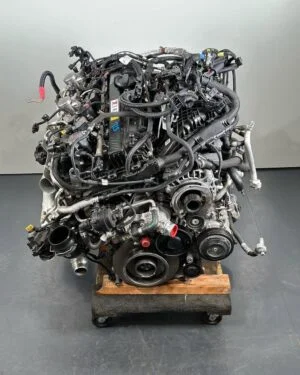
Before the engine arrives
Before the pallet even lands, it helps to slow down for half an hour and line up the basics. Confirm the engine code in writing, check whether the ECU travels with the engine, and agree with your customer what is included (turbo, injectors, mounts, wiring).
We suggest ordering gaskets, fluids, filters, and any timing parts you already know you will refresh — it makes install week feel organised instead of chaotic.

Installation day
On the day itself, take photos when the crate opens and compare the unit to the supplier photos and paperwork. It only takes a few minutes, and it is wonderfully helpful if any questions come up later.
- Match stampings and labels to the invoice engine code
- Refresh oil filter, air filter, and coolant hoses where it makes sense
- Plan a timing chain service on N47/N57 if history is unknown — many workshops sleep better afterwards
- Prime oil properly before the first crank (your future self will thank you)
- Follow BMW coding and immobiliser steps carefully, or use a specialist you trust
First start and break-in
For first start, let the engine idle and warm up while you listen — not just for leaks, but for anything that sounds tired or unhappy. A short road test with gentle load changes is usually enough to shake out small issues early.
If a fault code appears, note it down while it is fresh and reach out to your supplier with install date and photos. Reputable companies (including us) genuinely want to help when communication is clear and friendly.